
Fifteen people spent their final days at home, surrounded by loved ones. Thousands of hours of free care were given to those who needed it most. Behind those numbers is a small team, supported by an entire community, quietly making an enormous difference in the lives of Barrydalers.

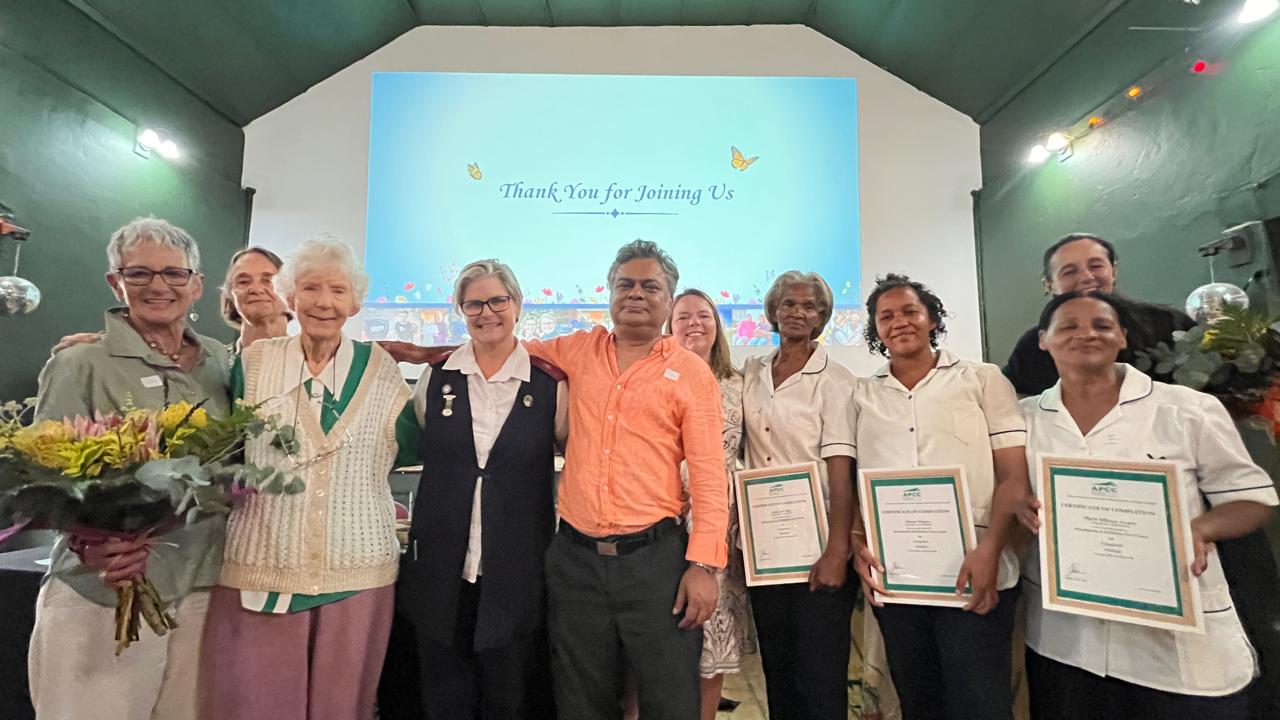
In recognition of the importance of professional care, all four members of the Hospice medical team successfully completed a six-week Introduction to Palliative Care for Caregivers course through the University of Cape Town and the Association of Palliative Care Centres.
There are few things more difficult than watching someone you love become increasingly frail, knowing that professional care is needed but that the financial means to access it are limited.
For many families in Barrydale, having someone arrive at their doorstep with the knowledge, equipment and compassion to help has made all the difference.
This is the work of Barrydale Hospice. And as its latest annual report shows, the organisation’s contribution to the community extends far beyond caring for those approaching the end of their lives.
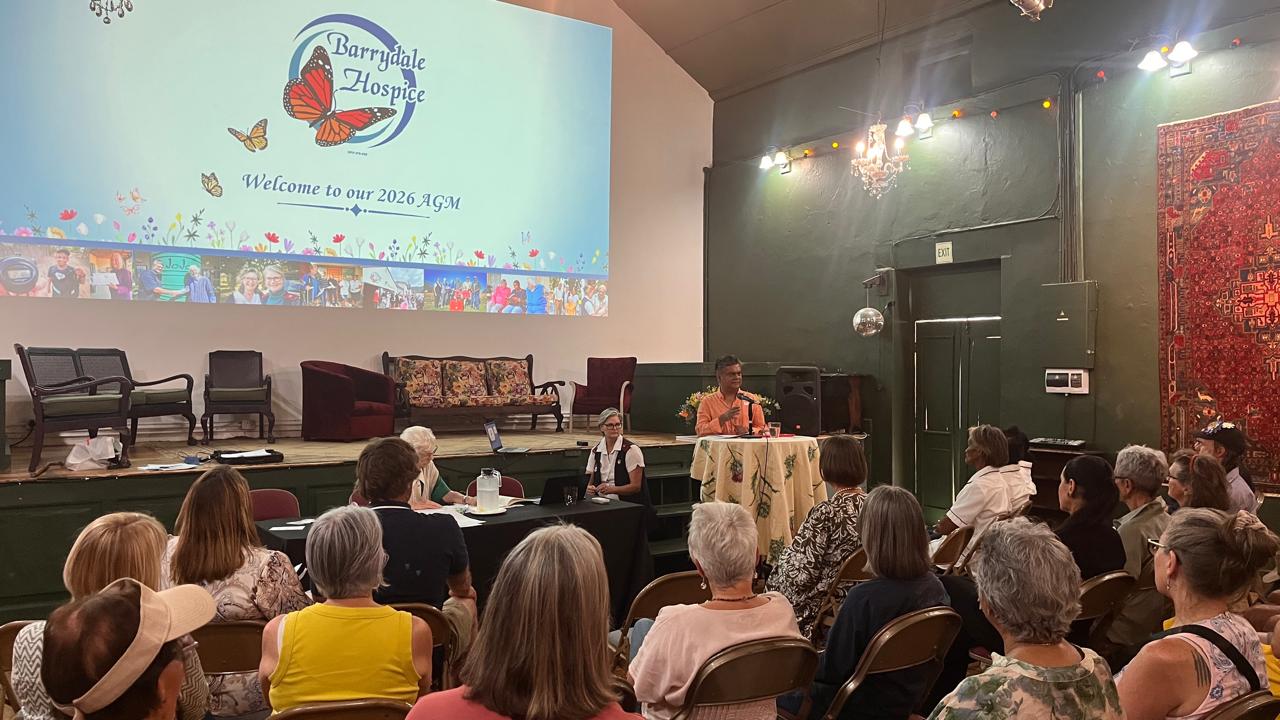
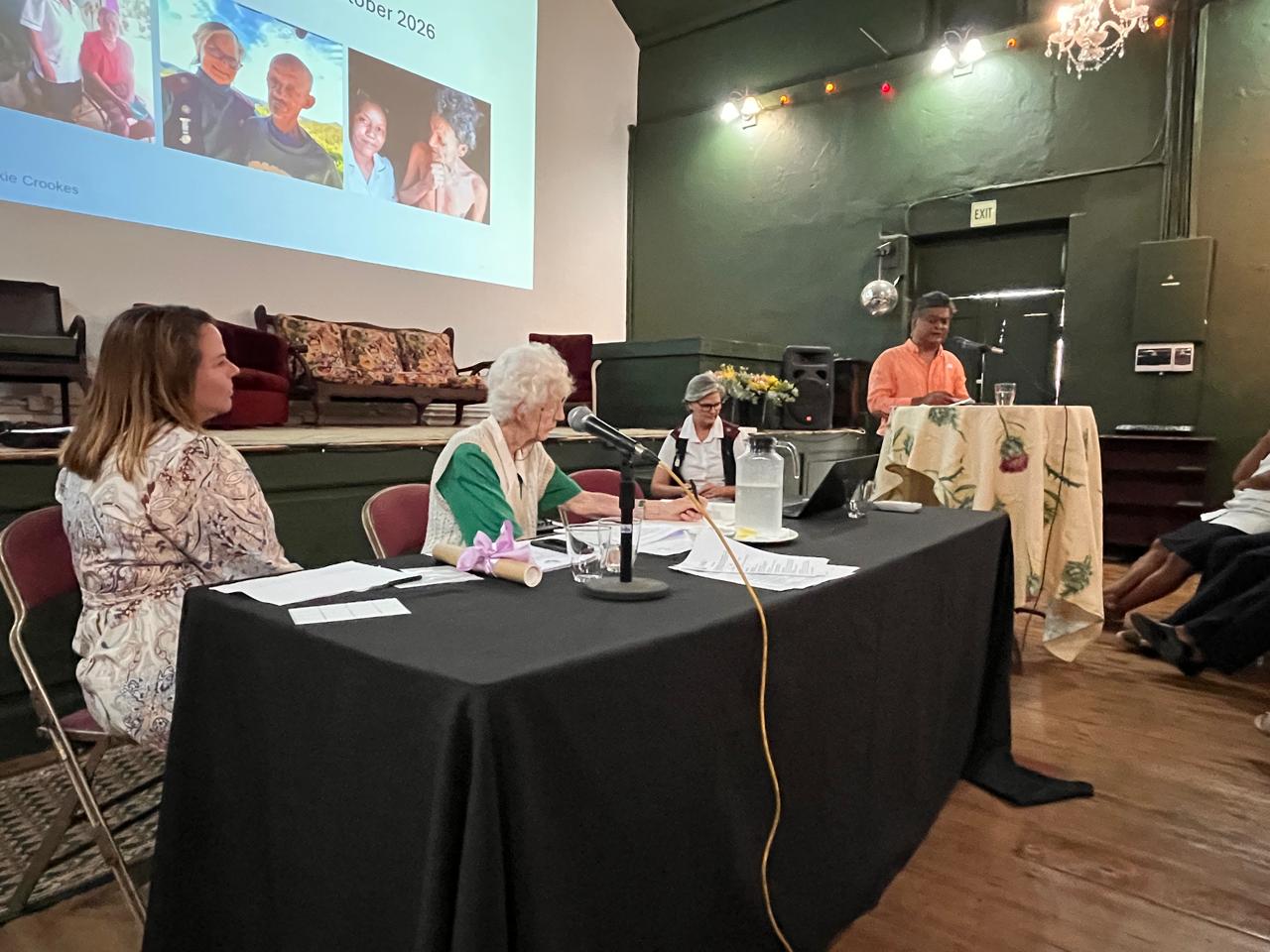
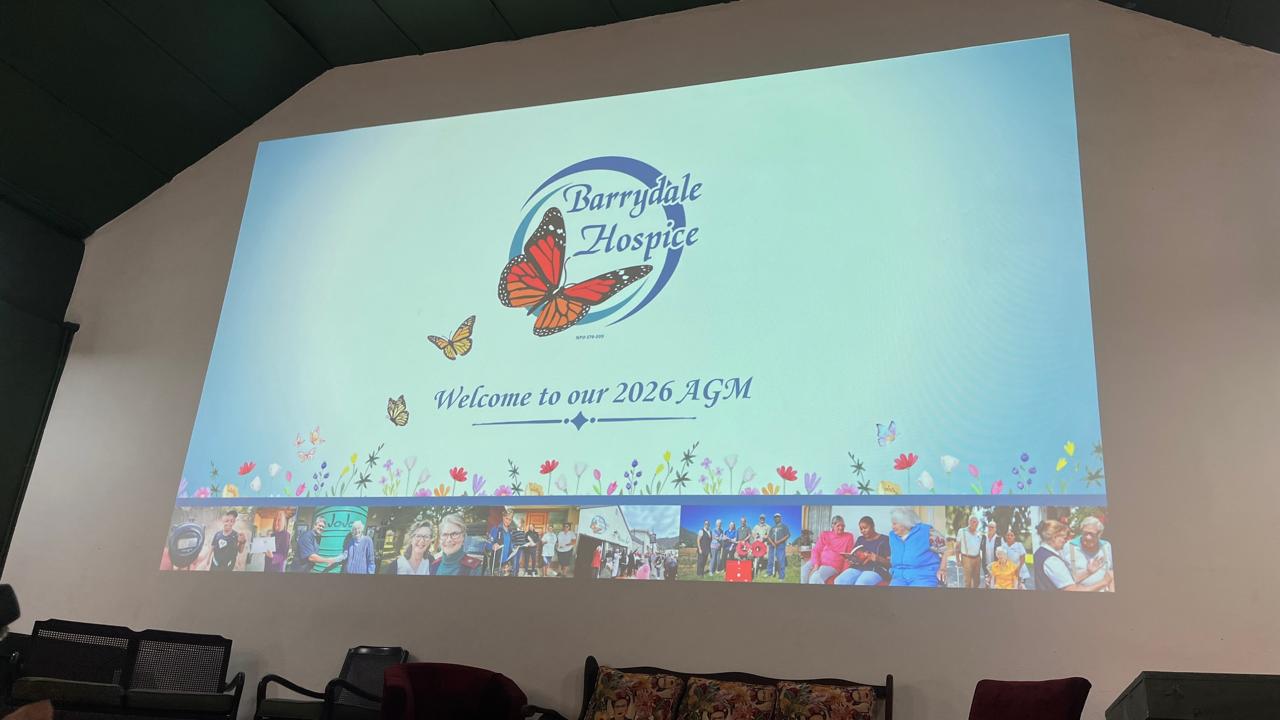
At its 10th Annual General Meeting, hospice presented a picture of an organisation that is not only on firmer financial ground, but continues to provide an extraordinary level of support to some of the most vulnerable people in this town.
Perhaps the most telling figures in the medical report are not financial at all.
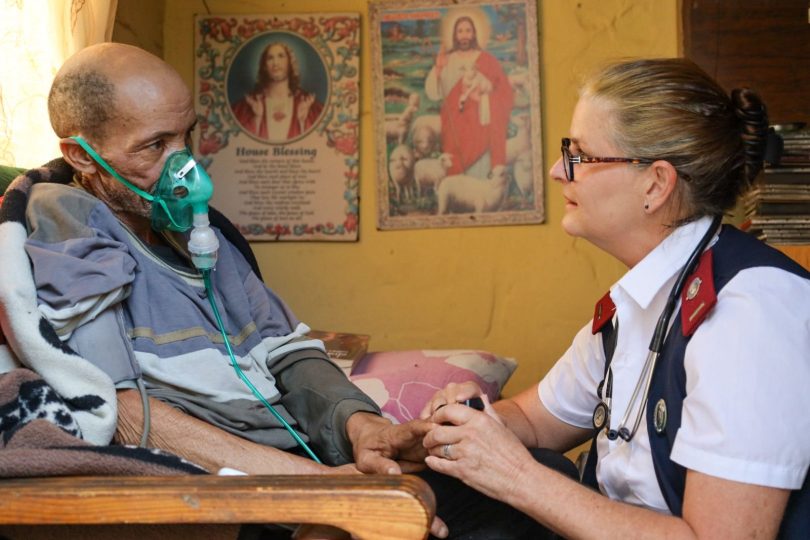
During the reporting period, 36 patients received hospice care, with 982 home visits and 3,774 nursing interventions recorded.
Fifteen Barrydalers passed away peacefully in their own homes, surrounded by their families and loved ones. Fourteen of these patients came from some of the poorest households in the community.
For these families, the opportunity to spend those final moments together, rather than in a hospital far from home, is something that cannot easily be measured in financial terms.
All nursing consultations, medication, transport, medical consumables and equipment provided to these patients were supplied free of charge.
More than hospice care
While palliative and end-of-life care remain the organisation’s primary responsibility, its reach into the wider community has continued to grow.
Over and above its formal hospice programme, the team provided 2,400 hours of free home-based care to elderly, bedridden, abandoned and indigent residents.
This includes everything from basic medical assistance and wound care to post-operative support, injections, incontinence care, first aid and assistance with medical equipment.
Based on private home-care rates, these services represent an estimated R216,000 worth of healthcare provided without charge.
Barrydale Hospice also continued its free medical equipment loan programme, making wheelchairs, beds, shower chairs, commodes, oxygen equipment, walkers, crutches and other essential items available to residents.
The estimated value of this assistance was R110,000.
For someone recovering from an operation, an elderly resident who struggles to move around, or a family caring for a bedridden loved one, access to this equipment can make an enormous difference.
It also means that families are not necessarily forced to purchase expensive equipment that may only be needed for a limited period.
The people behind the care
At the heart of the operation is Sister Nickie Crookes, supported by home-based carers Maria Swartz, Charne Slingers and Anna Van Wyk.
It is a small team carrying a considerable responsibility.
The hospice’s medical report also recognised the importance of family caregivers, who often provide most of the day-to-day assistance to patients.
Their own wellbeing is monitored, with the hospice stepping in when families need respite or additional support.
In recognition of the importance of professional care, all four members of the medical team successfully completed a six-week Introduction to Palliative Care for Caregivers course through the University of Cape Town and the Association of Palliative Care Centres.
This year Hospice also acknowledged the growing cooperation between its nursing team and Western Cape Government Health staff, local clinic personnel and emergency medical services.
This collaboration has helped improve referrals and continuity of care, allowing more patients to receive appropriate support at home and reducing unnecessary pressure on public healthcare facilities.
A little shop with a much bigger purpose
There is another part of the hospice operation that deserves recognition.
The Barrydale Hospice Shop, supported by volunteers Hanlie De Klerk and Nina Van Rensburg, has become an important contributor to the organisation’s income.
Despite only operating for part of the financial year, the shop generated sales in excess of R75,000.
Its value, however, goes beyond the money raised.
Donated goods are sorted, cleaned, repaired and made available to the public at affordable prices. Unsold items are also offered to other local charities through regular jumble sales.
It is a practical example of how generosity can keep circulating within a community, allowing something donated by one household to benefit another.
At this AGM Hanlie and Nina were thanked for the many hours they dedicate to the shop, from sorting and pricing goods to keeping the doors open.
The community keeps the doors open
There is, of course, a financial reality behind all this work.
Barrydale Hospice receives no government subsidy or financial support and does not rely on medical aid claims. Its continued operation depends on donations, fundraising, rental income and initiatives such as the Hospice Shop.
The latest financial report shows that the organisation has made considerable progress in securing its future.
Its cash reserves now stand at R715 578, enough to cover approximately nine months of operating expenses.
The hospice also recorded a R200 000 grant from the Rolf-Stephan Nussbaum Foundation and a R110 000 contribution from the Barrydale in Bloom organising committee following its 2025 event.
Operating expenditure has been reduced from approximately R1.4 million in 2022 to R830 635 in the current financial year.
The seven-member board, led by chairperson Dinen Maharaj, serves entirely on a voluntary basis, with members taking responsibility for various administrative, financial, governance and community portfolios.
The organisation is nevertheless aware that its financial future cannot be taken for granted. Donations are not guaranteed, while the cost of nursing, medical supplies, fuel and property maintenance continues to present challenges.
The board says its focus remains on securing sufficient resources to continue providing essential care, rather than generating profits.
A community worth caring for
There is something particularly meaningful about the fact that an organisation of this size continues to provide such an extensive service without the financial backing of government.
It speaks to the commitment of its staff, the dedication of its volunteers and, perhaps most importantly, the generosity of ordinary people who understand what Barrydale Hospice means to this community.
From the person donating a few household items to the organisations contributing thousands of rands, every contribution plays a part.
And while annual reports are filled with financial statements, statistics and governance matters, the real measure of Barrydale Hospice cannot be found on a balance sheet.
It is found in the family that was able to care for a loved one at home. The elderly resident who received assistance without having to worry about the cost.
The person who could borrow a wheelchair when it was needed. And the family who did not have to face an incredibly difficult time entirely on their own.
These are the people behind the numbers.
Barrydale has often shown what can be achieved when a community takes responsibility for its own. Its Hospice is one of the clearest examples of that spirit in action.
And perhaps that is the most important message from this year’s AGM: keeping the Hospice alive is not simply about keeping an organisation open. It is about making sure that when someone in our community needs care, compassion and a helping hand, there is still someone there to answer the call.
That is something worth protecting.