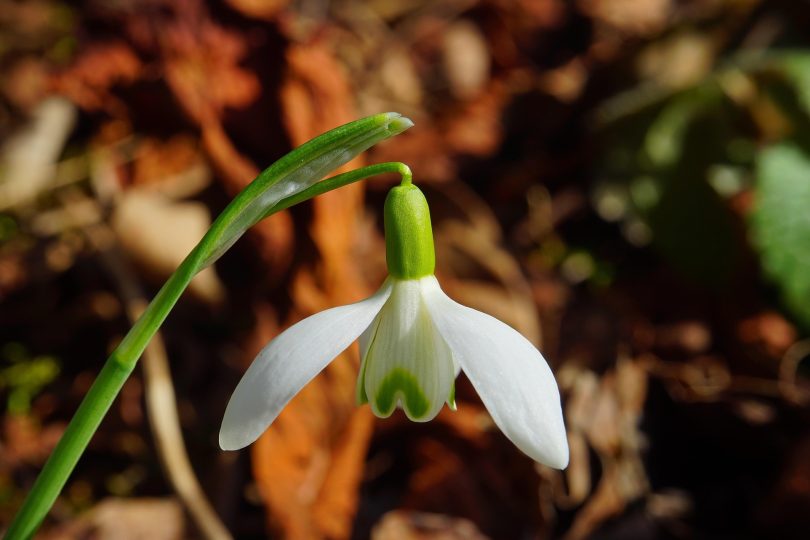

Today is Spring Day.
Across South Africa, September 1 is usually welcomed as a symbolic turning point. Winter is behind us, the days are getting longer, temperatures begin to rise and the first signs of spring appear across the landscape.
But there is another side to the arrival of spring that is rarely discussed.
For some people, the change of season can coincide with a deterioration in their mental health. And while seasonal depression is most commonly associated with winter, research has found that depressive symptoms and suicidal behaviour can also follow a spring and summer pattern.

That matters in South Africa.
A study examining 1,515 suicide cases recorded in peri-urban Pretoria between 2007 and 2019 found that suicides peaked during the warmer seasons, specifically spring and summer. The study described the pattern as consistent with both local and international research, although the reasons for the seasonal variation remain unclear.
Even earlier South African research found a similar pattern.
Researchers from the University of Cape Town and the Medical Research Council analysed 16,389 nationally registered suicide deaths between 1980 and 1989.
Their findings showed a peak in suicide during spring, specifically September and October, or during summer, with the lowest levels occurring during winter. The seasonal pattern was particularly pronounced among some less urbanised and lower-income groups.
Note: The research is old and should not be presented as a picture of South Africa’s suicide rate today.
It does, however, challenge one of the assumptions we often make about mental health: that the arrival of spring automatically means an improvement in people’s emotional wellbeing.
It doesn’t.
When the sun comes out, the pressure can go up
The idea of seasonal depression is usually associated with Seasonal Affective Disorder, or SAD, which most commonly occurs during winter.
Shorter days, reduced sunlight and changes to the body’s internal clock have all been associated with the condition.
But there is also a smaller group of people whose depressive symptoms follow a different seasonal pattern, becoming worse during spring and summer.
In an article published by Patient, journalist Abi Millar, with the article peer reviewed by Dr Sarah Jarvis, examined why spring can make depression worse.
One explanation is that warmer weather, increased heat and humidity and changes to sleeping patterns can contribute to emotional difficulties, but there can also be a more psychological factor.
Spring comes with an expectation that people should be happier.
The social calendar starts filling up. People spend more time outdoors. Holidays and weekends away become more common. Social media fills with photographs of people enjoying themselves.
For someone experiencing depression, that can create a particularly difficult contrast. Everyone else appears to be enjoying the season while you are not.
That can make a person feel even more isolated. As psychologist Dr Elena Touroni told Patient, the emphasis should not be on whether someone’s symptoms fit neatly into a particular label, but on understanding why the person is struggling.
That is an important distinction. Depression does not disappear because the weather changes.
Spring can also disturb sleep
The transition into spring brings longer daylight hours and warmer nights. For some people, that can interfere with established sleeping patterns.
Sleep and mental health are closely connected and persistent sleep disruption can worsen symptoms of depression, anxiety and irritability. Seasonal allergies may also play a role.
Research has found associations between seasonal allergic symptoms and changes in mood, with studies reporting increased depression, fatigue and reduced motivation during periods of significant allergy symptoms.
Researchers have suggested that inflammation, sleep disruption and the physical effects of allergies may all contribute.
It does not mean pollen causes depression. It does mean that several small pressures can occur at the same time, particularly for someone who is already vulnerable.
The suicide research is particularly difficult to ignore
The relationship between season and suicide is complicated and researchers are still trying to understand it and it is not confined to South Africa.
A large international study examining weekly suicide data from 354 communities across 12 countries found that suicide counts peaked during spring in most of the countries studied, although the strength and exact shape of the seasonal pattern differed between populations.
A separate systematic review of suicide attempts found that spring and summer were the most frequently reported seasons for increased attempts, although the researchers cautioned that seasonal patterns varied between studies.
Another review of the international evidence found that many studies reported a spring peak in suicide, particularly among men and older people, although not every study found the same pattern.
The evidence therefore does not say that spring causes suicide. It says something more important: mental health crises do not necessarily follow the seasonal pattern we expect.
What about South Africa today?
South Africa continues to carry a substantial burden of deaths from external causes.
The latest Statistics South Africa mortality report, covering deaths registered for 2023, recorded 63,367 deaths in the broad category of external causes of morbidity and mortality, accounting for 13.3% of all recorded deaths. This category includes a range of causes and is not a suicide figure.
Stats SA’s latest mortality publication does not, however, provide evidence that current suicide deaths peak specifically in September or October.
That distinction matters.
The older South African studies provide evidence of seasonal patterns, but they should not be presented as current national suicide statistics. What they do provide is a reason to take the possibility of seasonal variation seriously.
The warning signs are not seasonal
The more useful question is not whether someone has “spring depression”.
It is whether something has changed. Persistent sadness. Increasing anxiety. Irritability. Problems sleeping. Withdrawing from other people. Losing interest in things that previously brought pleasure. Feeling hopeless or overwhelmed.
These are signs that should not simply be dismissed because the sun is shining. Nor should somebody be expected to “snap out of it” because spring has arrived.
For someone already living with depression, the pressure to appear happy can sometimes make it more difficult to admit that they are struggling.
So, on Spring Day, check in
There is nothing wrong with celebrating spring, but perhaps this year, the conversation should be slightly broader.
While we celebrate the warmer days and the return of colour to the landscape, we should also remember the people for whom the change of season does not feel like a fresh start.
Depression has no respect for the calendar. A person can be surrounded by sunshine and still feel completely overwhelmed and sometimes the most important thing we can do is simply ask someone we know a question that is often avoided:
Are you really okay?
If the answer is no, take it seriously. Speak to a doctor, psychologist, counsellor or someone you trust and if someone is at immediate risk of harming themselves, seek emergency medical assistance or go to the nearest emergency department.
South Africa’s South African Depression and Anxiety Group (SADAG) operates mental health support services, including its Suicide Crisis Helpline on 0800 567 567.
Sources:
This article was informed by Abi Millar’s “Can spring make depression worse?”, published by Patient and peer reviewed by Dr Sarah Jarvis, as well as peer-reviewed research examining seasonal depression, allergies, suicide and seasonal patterns in South Africa and internationally.
South African research cited includes the University of Cape Town study “Seasonal variation of suicide in South Africa”, which examined 16,389 nationally registered suicide deaths between 1980 and 1989, and a later Pretoria study examining 1,515 suicide cases recorded between 2007 and 2019.
Statistics South Africa’s latest mortality and causes-of-death release for 2023 was also consulted.