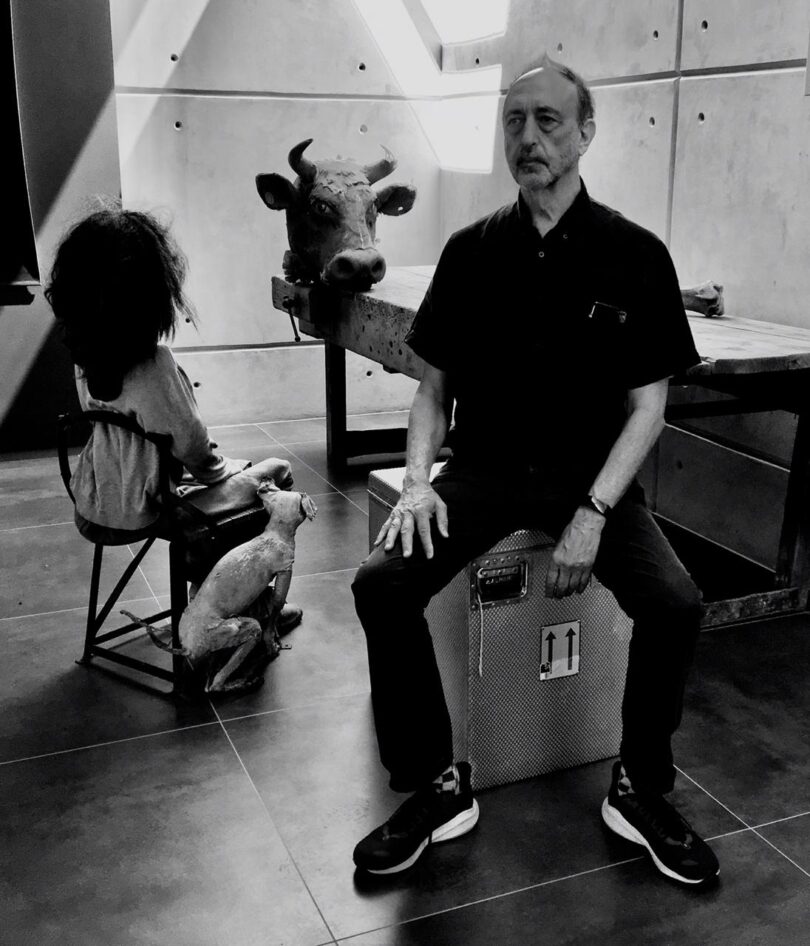

His iconic images are more commonly found in internationally acclaimed establishments like the Centrale for Contemporary Art, Brussels, Belgium or the Il Terzo Giorno, Parma, Italy or the Victoria and Albert Museum, London – not this time.
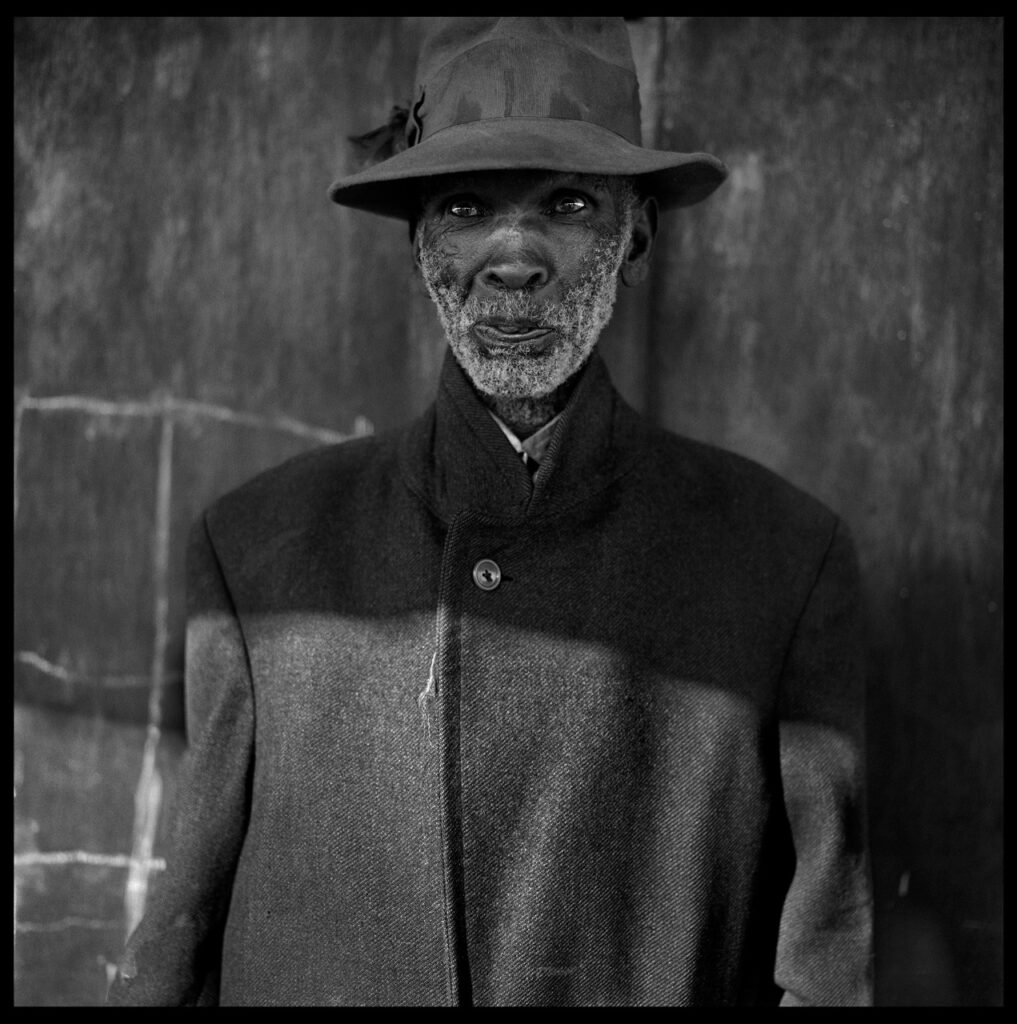
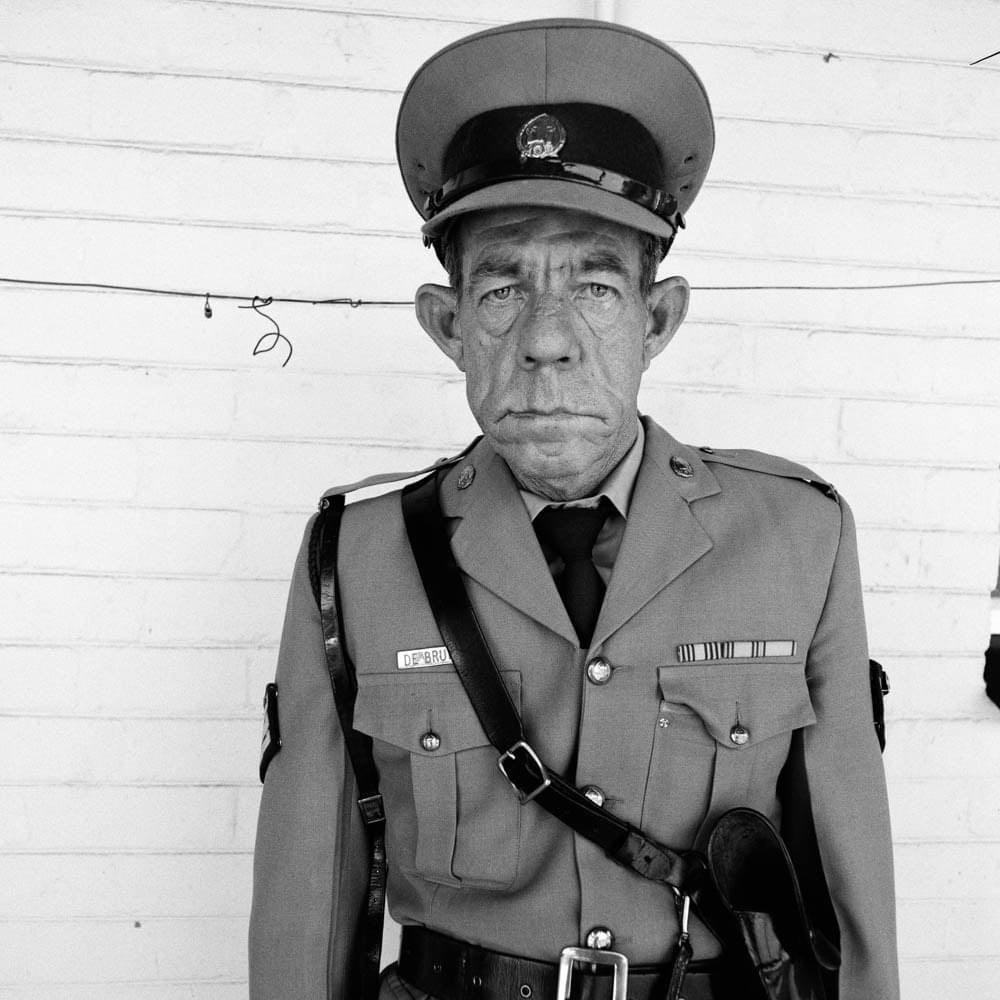
From 11-19 December a collection of black and white photographs that propelled Roger Ballen to the pinnacle of the fine art photography world will be on display at the Karoo Art Hotel as part of the inaugural Barrydale Analogue Photographic Festival.
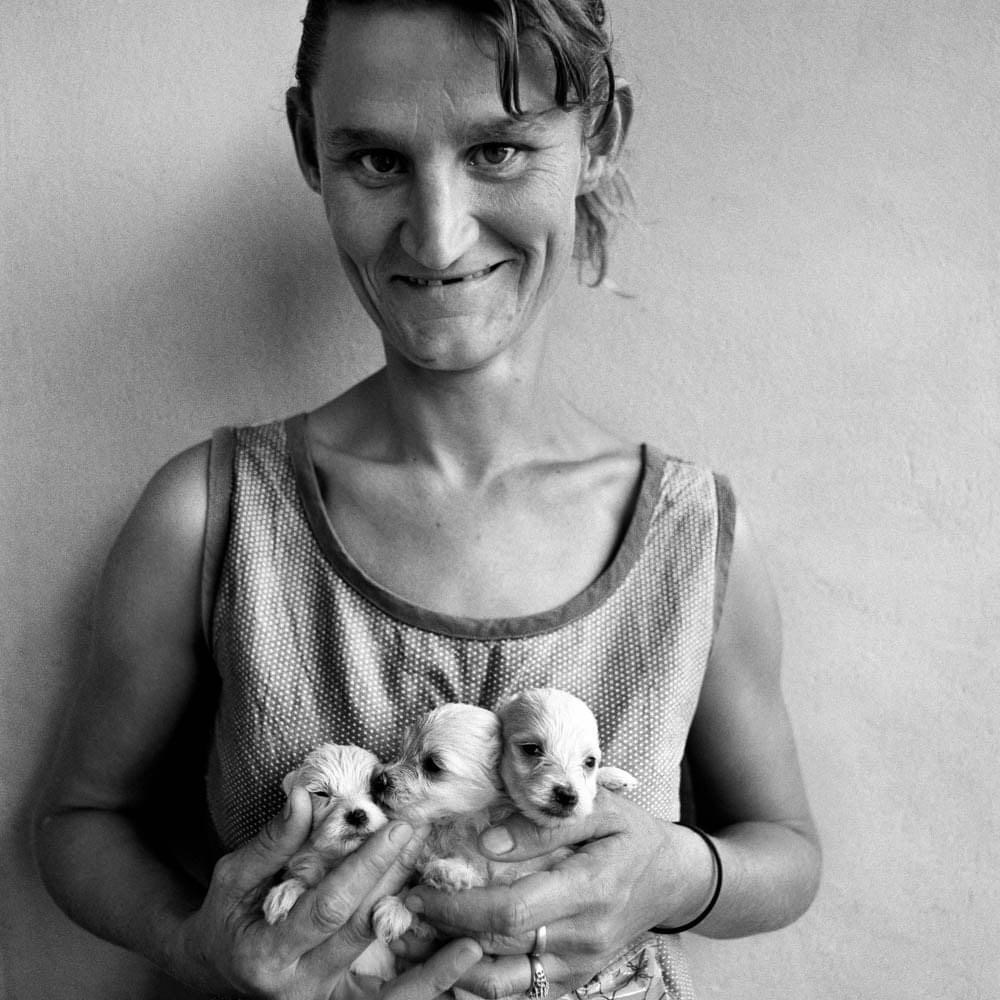
Shot between 1982 and 1994 and published in the books Dorps and Platteland (Outland) Ballen’s haunting images are often interpreted as works that reflect the dire situation that prevailed in South Africa during that very uncertain period.
For the creator it is far more personal and complex than that. Ballen said that during those years he visited remote dorpies as a geologist it was never about the race, creed or the beliefs of the people he photographed.
“It is an internal existential anxiety that the pictures tend to omit rather than necessarily a statement that the state of affairs in South Africa,” he told News62.
His images address the human condition and it is perhaps there where the his disturbing interpretations have their origins. Either way, people from across the globe tend to connect to his photos on a very deep, subconscious level.
Back to Barrydale, Ballen welcomed the idea of his work being presented in a small town setting.
“I think it is refreshing that the exhibition will take place in a platteland town like Barrydale,” he said.
Moreover, Ballen was delighted that local photographer and event organizer Graham Abbott followed through on his dream to host the analogue photographic festival.
Abbott launched the festival as a tribute to his friend Johan Wilke who recently passed away.
“It is so nice to see that someone is doing a silver gelatin show, we are so overwhelmed by digital photography.”
“It is great that he (Abbott) has brought it (film photography) back into the forefront.”
“Black and white photography is like going on horseback from point A to point B, it is not on people’s minds anymore yet it was a very important form of transport for centuries.
While his work is in the Klein Karoo for the next week, the last time Ballen travelled the countryside as a photographer was in 1994 – almost everything he created after that was done in or in close proximity to Johannesburg.
He hinted that it might be time for another outlandish adventure and appreciated that in modern times, smaller places like Barrydale have become more appealing to city slickers.
“People’s identities are being globalized so it is a real relief to sometimes go out to the countryside to find genuine people who have some sort of real link to a person in one way or the other.”
“It is always this trade-off and a lot of people who are more educated living in smaller places feel the need to be in a place that is more stimulating and people like myself living in a place like this (Johannesburg) tend to look forward to just go camping underneath the stars.”
Another interesting aspect of the analogue photographic festival is that two dark rooms have been set up in Barrydale to ensure that visiting photographers can also get some prints done while they are in town.
For Ballen, who only started shooting in colour four years ago, the processes used of yesteryear will always be important and he agrees that modern photographers can only benefit by understanding these processes.
“Black and white photography brings some of those things to the foreground because it is very much a physical process.
“You have to go into a dark room, you have to play with chemicals, you have to understand the way light works on a film.
“Printing pictures is really difficult, it is not like learning Photoshop and then getting it right on the computer.
“Physically making those prints is a really really tough process. You have to balance light, one sheet with another – the results are very unclear until you develop the picture and then you are not sure that you can do it the same way – it is very difficult to do two exact prints.”
“It gives people a sense of physicality of the picture and detail on how the picture can be put together and I think this could be a great assistance to people who are going to be serious about photography.”
While there is no singular path to becoming a great photographer,Ballen said that if someone is studying photography it is important to come to grips with the process that dominated photography since the very beginning.
He added that “what makes a great picture is not necessarily the fact that it gets so many hits on Instagram or Facebook or ends up on the front page of the Sunday Times.”
He feels that a really good photo is a work of art and that it takes years, sometimes decades for the artist to truly understand his craft. Likes often has more to do with reach than with the actual quality of the work.
Ballen knows that the world view of images are rarely artistic and that people no longer break a photo down into fragments, like they would a work of art.
“In modern photography it is so often more about what is happening in the photo and other things around it aren’t always considered in the same way. It is not seen as an organic piece, like a painting.
Advice for the artist/photographer
“If you are an artist you need to keep changing as you change and finding new challenges and being passionate about what you do and finding new ways of expressing yourself rather than doing the same thing over and over again and becoming a product of your past or a product of what the market wants.
“Good art embeds itself in people’s mindsets and stays with a person and has an ability to change people’s perceptions in some unquantifiable way.”