

Written by: Wikus Engelbrecht
The Great Southern BioBlitz [GSB] is the Southern Hemisphere’s biggest biodiversity survey, and it asks for something simple: go outside, look closely at nature, and photograph whatever living species you find.
You then upload it to the free iNaturalist platform and a global community helps you identify species while utilising the data for science.
During the 2025 GSB, South Africa recorded 103,380 observations of 12,434 species, contributed by 1,733 observers. For comparison, the entire GSB recorded 282,261 observations hemisphere-wide in the final results.
The Overstrand region around Hermanus alone logged more observations than any other area. Nobody was paid, and most participants were not scientists. They had their phones, curiosity and a shared purpose.
The GSB is a grassroots event in which nature lovers and outdoor enthusiasts across Africa, South America and Oceania try to record as many species as possible during Spring.
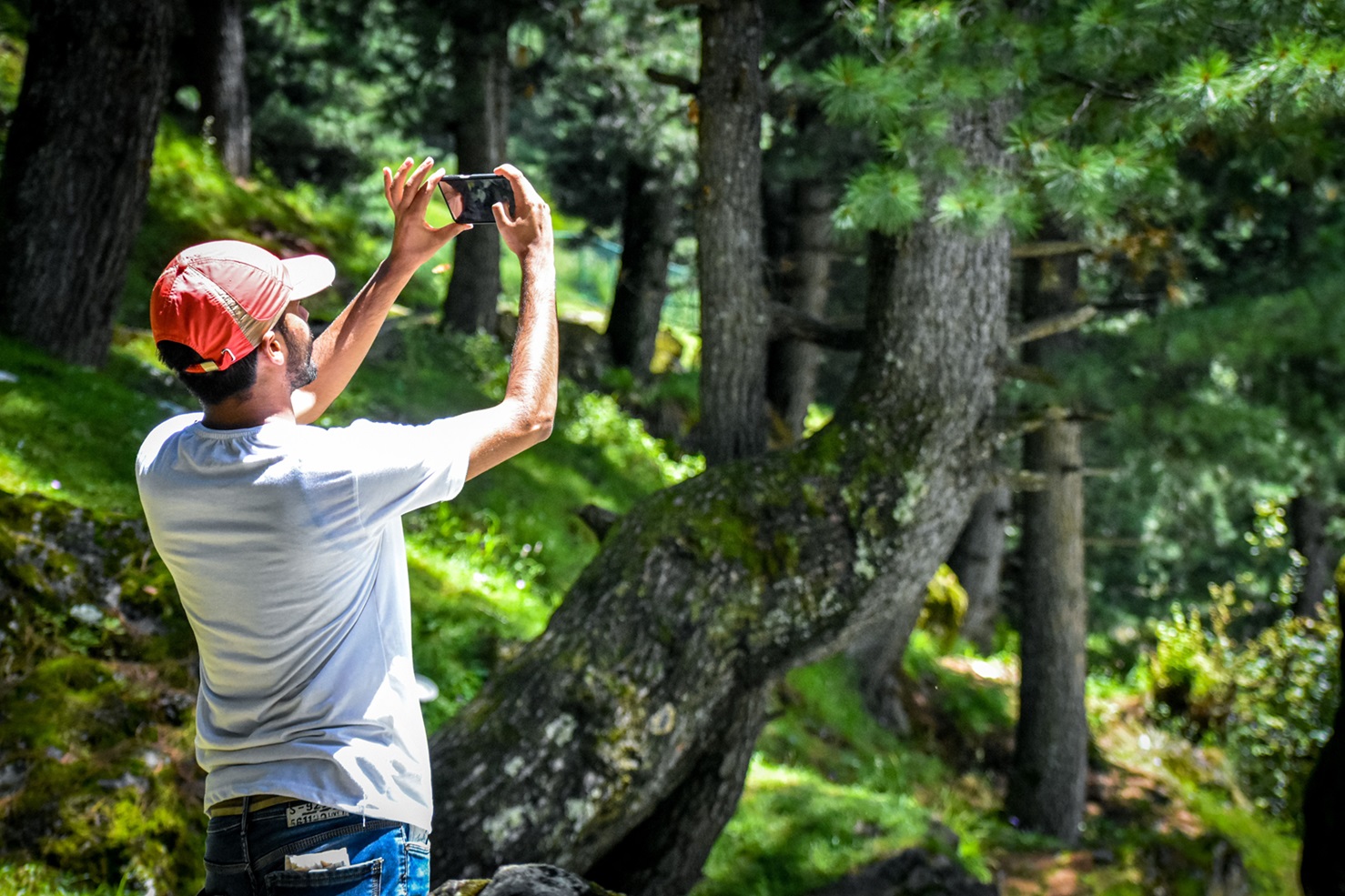
A bioblitz turns the often overlooked into a landscape of tiny dramas. Your phone becomes an aperture for the species variety and bustle of ecosystems, stirring the thrill of discovery.
The case for taking part has rarely been stronger. The newly released State of Biodiversity Action report is the first global stocktake of progress on the Kunming-Montreal Global Biodiversity Framework, the 2022 agreement with 23 targets to halt and reverse biodiversity loss by 2030.
The report finds that progress is insufficient and uneven: targets addressing the drivers of biodiversity loss lag significantly, and marine, coastal and inland water ecosystems are consistently under-covered.
The barriers identified include shortfalls in finance and capacity, weak policy, limited engagement of businesses and communities, and major gaps in data and monitoring. Targets mean little if nobody can tell whether they are being met.
More Eyes on Nature, More Knowledge for Science
The South African National Biodiversity Institute [SANBI] actively supports and promotes both iNaturalist and the GSB – but researchers cannot be everywhere, and biodiversity does not wait for them. Every verifiable iNaturalist observation records an encounter with a wild organism at a particular place and time. Once the community has identified it, the record can feed global databases such as the Global Biodiversity Information Facility [GBIF], where scientists use it in real studies and analyses.
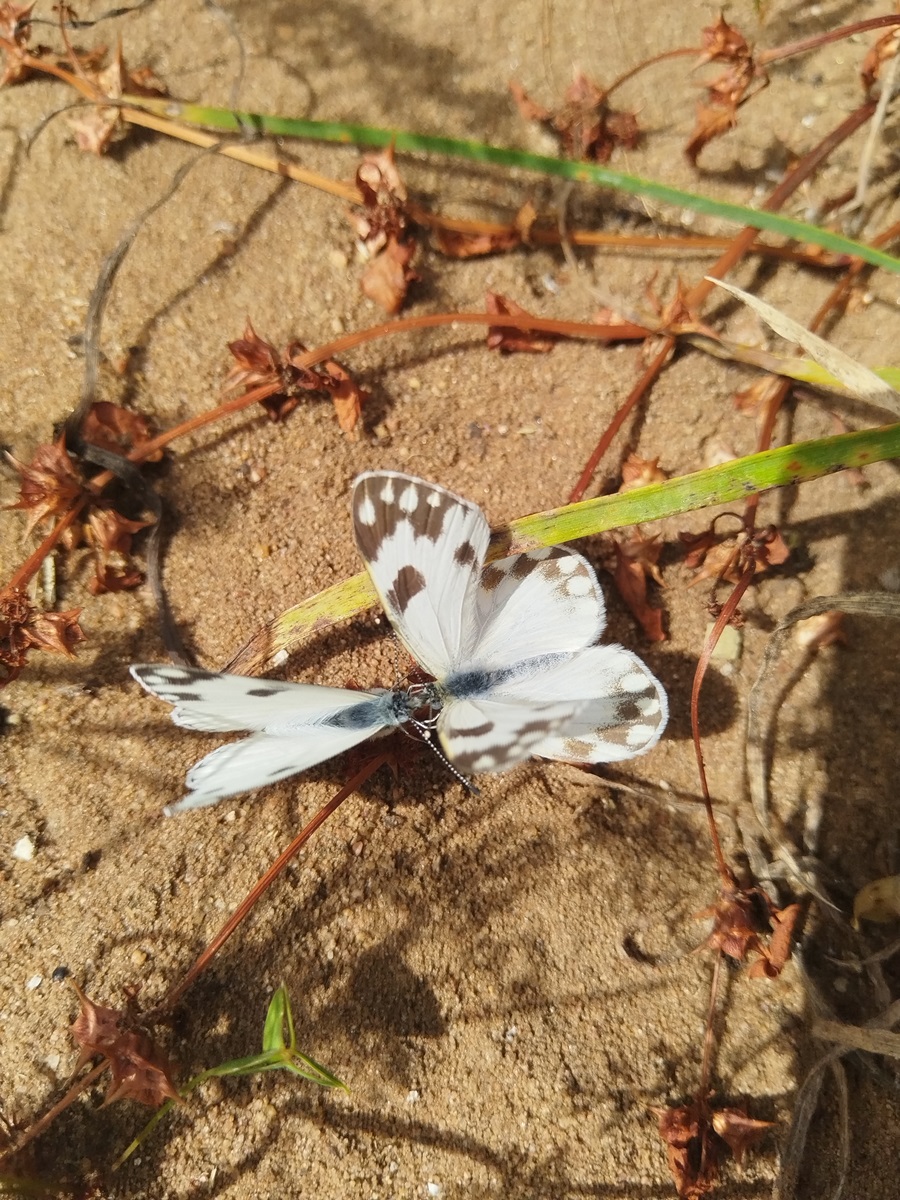
A bioblitz concentrates that effort into an intensive snapshot. In 2025, participants across Southern Africa recorded more than 528 threatened species, including many Red List plants from the fynbos and grassland biomes.
Counting What is Left
In October, the WWF and the Zoological Society of London published the Living Planet Report 2026. It found that monitored vertebrate populations fell by an average of 73 percent between 1970 and 2022, and by 85 percent in freshwater ecosystems.
The figure is an average across nearly 36,000 populations, not a headcount of lost animals – but the trend is unmistakable. Habitat loss was the most frequently reported threat, alongside overexploitation, climate change, pollution and invasive species.
The report also carries hope. Half of the monitored populations are stable or increasing, and coverage of the report points to recoveries, including southern African elephants. Decline, it suggests, is not destiny.
South Africa is among the world’s top 10 countries for species richness, and it is under strain. SANBI’s latest assessment found that more than half of all assessed species are of concern; that estuaries, rivers and wetlands are the most threatened and least protected ecosystems.
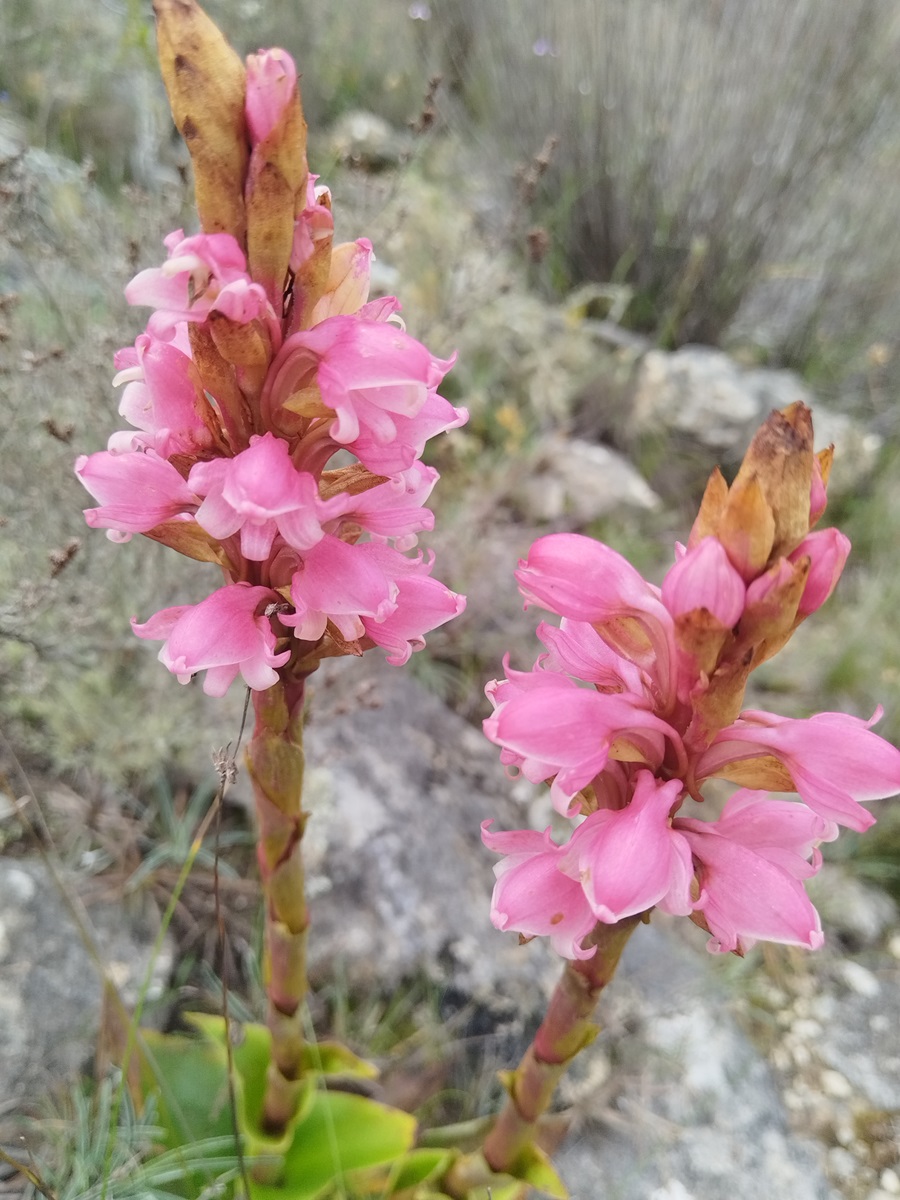
The Cape Floral Region holds about 9,000 plant species, roughly 69 percent of them found nowhere else. At Cape Point, a 44-year study of permanent vegetation plots found that plant diversity is declining, driven by increasingly severe hot, dry spells after fires and by the lingering legacy of invasive alien trees.
Fynbos depends on periodic fire to renew itself; but a warming climate increases the frequency of veld fires, eliminating plants before they are sufficiently mature to reproduce, depleting seed banks and threatening the long-term survival of wild populations.
More Species than Scientists
By the organisers’ own count, the GSB grew from about 71,000 observations and 2,500 observers in 2020 to more than 282,000 observations and nearly 10,000 observers in 2025, covering 37,550 different organism groups – or taxa.
The Western Cape led the country with more than 26,000 observations.
Everyday records matter as much as rare ones. Common plants and animals are still data, and tracking where they are, and where they are not, tells scientists how ecosystems are changing.
A photograph will not replace funding, enforcement or political will, and the implementation of policies and regulations requires money – but decisions are only as good as the evidence that substantiate them.
Having a record of what biodiversity lives where, mapped out by thousands of people, is hard for institutions to assemble alone – or ignore.
While biodiversity loss can feel too large and too distant to do anything about: a bioblitz turns it into something visible and material. What we notice, we tend to protect.
No Expertise Required
Participation in the GSB is straightforward. An observation needs a photo or sound recording (for vocal species such as birds), a date and a location of a wild organism.
iNaturalist’s community and its AI tool can suggest an identification. Adding one’s own notes at whatever level can help contextualise and refine the data.
Observations count toward the GSB automatically if they are made inside a participating region’s boundary during the event dates, with identifications allowed for up to two weeks after.
Joining a project such as the southern Africa umbrella is optional; though these channels provide updates, a connection point to other participants and a direct site for monitoring the records flowing in.
Area projects and the global umbrella project tally differently: area projects count every distinct organism, including genus – or family-level IDs, while the umbrella counts species-level IDs only – so these totals are usually lower.
The Garden Route’s turn to Blitz
Wild Rescue nature reserve is organising the Garden Route’s participation this year, promoting widely and encouraging communities and organisations to take part.
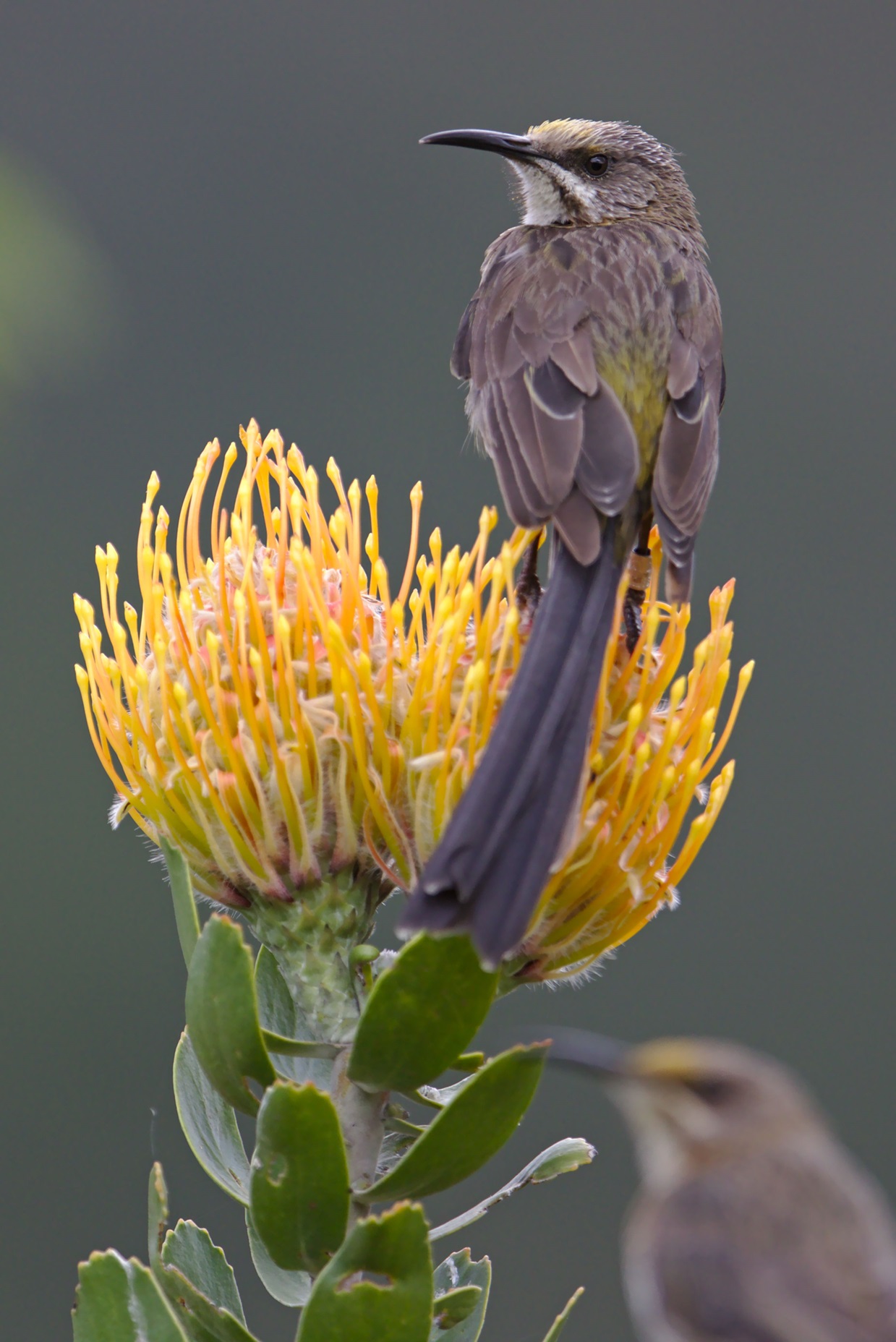
Overstrand set the bar in 2025 with 15,298 observations compared to 6,210 in the Garden Route. With its plentiful fynbos, forests, estuaries and coastline; the region has no shortage of life to record, and no reason why it can’t make a leading contribution.
Joining takes minutes. Download the free iNaturalist app on Android or Apple, create an account and photograph what you find between 27 and 30 November. Observations made during the event are included automatically.
To receive news and a participation certificate, register through the official GSB website, greatsouthernbioblitz.org. If your area has no official project page you can register your region to create one.
Says Gill Simpson, founder and director of Wild Rescue, “We can’t photograph our way out of a climate crisis and biodiversity loss can feel too large a problem to do anything about; but a bioblitz is a concrete answer and a positive action that gives everyone some agency and a share in doing conservation work: one photograph, one place, one date, added to a record that scientists can use to better understand and protect species. Anyone can help document our biodiversity. Nature is counting on you.”